
Ranking The Best MLB Ballparks

Major League Baseball’s stadiums have the most variability out of all the venues that host American professional sports. Part of this is due to the fact that many are unrestricted by the confines of a dome or roof, and part is because, aside from the infield diamond, baseball fields aren’t required to be identical to each other in dimension or size. As such, each ballpark has an individual feel and provides a unique gameday experience for fans. Having visited 23 of baseball’s 30 professional stadiums, here’s how I would rank them, from best to worst.
#1: Oracle Park – San Francisco Giants
The San Francisco Giants’ home is a near-flawless modern ballpark. Amazing bay views, memorabilia-filled concourses, a ginormous scoreboard, many social areas, a fun kids’ zone, and a devoted fan base make this stadium an absolute must-visit for all baseball fans. The outfield concourse features a giant 4-fingered throwback baseball glove and a Coca-Cola bottle that not only lights up, but has slides running through its center for kids to ride down. Nearby, the kids' zone includes a miniature ball field with an aquarium built specifically for the Giants on the Animal Planet show “Tanked”. Center field’s beer garden and right field’s Levi’s Landing are often packed, generating a lively social buzz in the stadium. This is a park that I would recommend sitting high up in, especially for an evening game, as you’ll be able to watch the sunset and see the sailboats return from their days out on the water beyond the outfield wall. On warm days, you can also see the kayakers out in McCovey Cove beyond the right field hoping to snag a “splash hit” home run that leaves the yard. The only downside to this venue that I can come up with is the lack of exciting food options. Garlic fries seemed to be the most popular option here, and while tasty, they aren’t stand-out compared to other food items mentioned in this list.

#2: Fenway Park – Boston Red Sox
Professional baseball’s oldest stadium filled to the brim with some of America’s most passionate fans make gameday in Beantown an elite experience. There’s so many iconic features in Fenway Park, from the Green Monster to Pesky’s Pole to Ted Williams’ red seat, all of which are great to explore before or after a matchup. Even if you don’t go into the stadium, Lansdowne Street’s zealous atmosphere and bar scene make being around Fenway well worth your time. Singing along with thousands of Bostonians to songs that have become synonymous with the city, such as “Shipping Up To Boston” and “Love That Dirty Water”, is a special experience. The only negative about this ballpark is that some seats have obstructed views, but that comes with the territory of being over 110 years old.

#3: Wrigley Field – Chicago Cubs
On a warm summer day with a nice Lake Michigan breeze, you’re not going to find a better sporting venue to watch a game at than “The Friendly Confines”. Beyond the renowned green ivy gracing the outfield walls are the partying, beer snake-loving “Bleacher Bums” that pump positive energy into the ballpark that seeps out into the surrounding Wrigleyville neighborhood. The remodeled Gallagher Way outside of Wrigley has an inviting, joyful atmosphere, and the addition of a massive sportsbook-turned-viewing bar on Addison Street adds another layer of sports fanaticism to the scene. The minuses of Wrigley are that there are some obstructed view seats, and the trough-style urinals in the men’s bathrooms are a bit archaic (although many Cubs fans say this adds to the charm). Make sure to learn the lyrics to “Go Cubs Go” and bring your W flag to participate in the Cubs’ long-standing victory traditions!

With the picturesque Pittsburgh skyline acting as a façade for the Roberto Clemente Bridge spanning the Allegheny River, the Pirates’ stadium boasts one of, if not the, best backdrops in baseball. Located right in the center of the city, PNC Park is easy to reach using public transit or by simply walking. Cheap tickets and friendly fans in the generally temperate Pittsburgh weather only add to PNC Park’s charm. This intimate-feeling stadium has no bad sightlines and offers a pleasant, laid-back gameday experience. Unfortunately, the Pirates have been one of baseball’s worst franchises for many years, and it's rare to see the ballpark even 50% full.

#5: Comerica Park – Detroit Tigers
In my eyes, Comerica Park has the best exterior façade and concourses in the MLB. Numerous giant Tiger sculptures surrounding the venue offer great photo opportunities, and the plaza in between Comerica and Little Caesars Arena is often bustling prior to first pitch. The concourses have tons of interactive activities, from a baseball-themed ferris wheel to a tiger-only carousel to the larger-than-life statues in the outfield. The batter’s eye has active water fountains, and the open bullpens give fans a chance to watch pitchers warm up from just a few feet away. Combining all that with delicious and widely varied food options, Comerica is one of baseball’s most underrated stadiums. The only notable downsides are that there aren’t many shady spots to hide out from the sun on hot days, and the open-style concourse limits the warm spots when it’s cold. The ballpark also has surprisingly deep outfield walls, meaning that homers are harder to come by in Detroit than at most other parks.

#6: Coors Field – Colorado Rockies
With the playing surface just under 1 mile above sea level, Coors Field is the most hitter-friendly stadium in baseball. To adjust for this, the Rockies have the biggest outfield in the majors, and they use the extra space beyond the fence effectively. Aside from a gigantic scoreboard cleverly designed to mirror the mountain range in their logo, the center field batter’s eye is a full nature biome complete with a flowing waterfall and evergreen trees, while right field’s towering bleacher space is topped off by a huge terrace for socializing. Located in the heart of Denver’s LoDo neighborhood, the area surrounding Coors Field has plenty of sports bars and restaurants for pre- and post-game food and drink. While the ballpark itself really has no major issues, the team does. Despite having been part of the MLB since 1993, not only are the Rockies one of five teams to have never won the World Series, but they’ve never even won their division. Regardless of their often poor play, the team draws crowds that typically rank in the middle of the MLB, so the atmosphere usually isn’t half bad. (Side note: Baseball stadium enthusiasts should consider checking out the National Ballpark Museum, which is just across the street from Coors Field.)

#7: Busch Stadium – St. Louis Cardinals
Busch Stadium has a great mix: plenty of baseball history, a lively surrounding ballpark district, and stunning views highlighted by the towering 630-foot tall Gateway Arch, putting it in competition with San Francisco and Pittsburgh for best backdrop in baseball. The 11-time champion Cardinals’ stadium concourse leans heavily into displaying the team’s past success, and even has the complete manual scoreboard from their previous stadium displayed in the rotunda. There are plenty of bars and live music venues within a two-block radius of Busch Stadium in an area that has been massively built up in the last 10 years or so. The biggest downside is that the Redbirds’ home doesn’t have an iconic or memorable in-stadium feature like other teams on this list do.

#8: Kauffman Stadium – Kansas City Royals
Baseball aside, the park is worth visiting for the Water Spectacular alone – outside of the Bellagio in Las Vegas, these fountains are the best I’ve ever seen. The scoreboard, dubbed “Crown Vision,” is cleverly designed in the shape of the Royals logo, has excellent stats and graphics, and shoots off loads of fireworks during pregame ceremonies and after home runs and victories. The outfield concourse features the Royals Hall of Fame and Museum (free for fans on game days) and an activities area for kids. The negatives are that the stadium doesn’t have many unique social areas or clubs, and there is nothing of interest nearby aside from the Chiefs’ stadium (however, this does bode well for tailgaters). While I understand the allure of moving the Royals to a ballpark closer to KC’s city center, as it is a bit of a trek to get out the current field, I really love this park and am quite sad to see the reign of “The K” come to an end.

#9: Petco Park – San Diego Padres
Creatively nestled into the middle of downtown San Diego, Petco Park has a great gameday experience. Baseball’s best-weather stadium celebrates homers with a deep foghorn and flames that shoot into the sky from the batter’s eye, and the fans count down the final three outs before wins with the beloved friar mascot ringing a massive bell. The open park space and sandbox beyond the outfield wall create a bubbling social space for adults and kids alike, while the nearby Gaslamp District offers delicious options for pre- and post-game meals. The negatives are that people walking up and down the aisles from their seats in the infield bowl often block spectator’s sightlines momentarily throughout the game, and the concourse food is pricey (although Petco does have a nice mix of culinary options).

#10: Rogers Centre – Toronto Blue Jays
An iconic landmark of the Toronto skyline, Rogers Centre was the pioneer ballpark for retractable roof stadiums. Located at the foot of the CN Tower, open roof games offer perfect views of what was once the world’s tallest structure, while closed roof matches create an energetic viewing experience by amplifying noise from the crowd. Major renovations to the ballpark’s interior in recent years greatly improved the now-winged scoreboard (which has top tier graphics and inter-inning entertainment) and outfield social areas. The concourses, while narrow and often crowded, have loads of Blue Jays history and memorabilia on display, as opposed to other park’s dedicated team museums. While the location of this stadium is great, the exterior leaves something to be desired: a lack of designated communal gathering spaces combined with the stadium’s drab concrete walls and statue/plaque-less plazas hurts first impressions.

#11: Citizens Bank Park – Philadelphia Phillies
The Phillies home field sits on a very large footprint with a ton of amenities. This park has what I believe to be the best kids’ zone out of all the MLB stadiums, with a multi-story climbing wall, a hotdog cannon target practice game, and a T-ball field modeled after the full-size venue. The Liberty Bell in right-center field lights up and swings back and forth in alignment with bell chimes after homers and wins. The Philly Phanatic mascot is a hilarious menace that’s always entertaining. And of course, the ruthless Philly fans have great chirps toward opposing players and provide a tremendous home field advantage. Similar to Kauffman, the surrounding area is CBP’s biggest downfall. Located in the Philadelphia Sports Complex, all that’s around are other stadiums and seemingly endless parking lots. There are no fun nearby bars or restaurants, and you feel fairly removed from the City of Brotherly Love itself.

#12: Target Field – Minnesota Twins
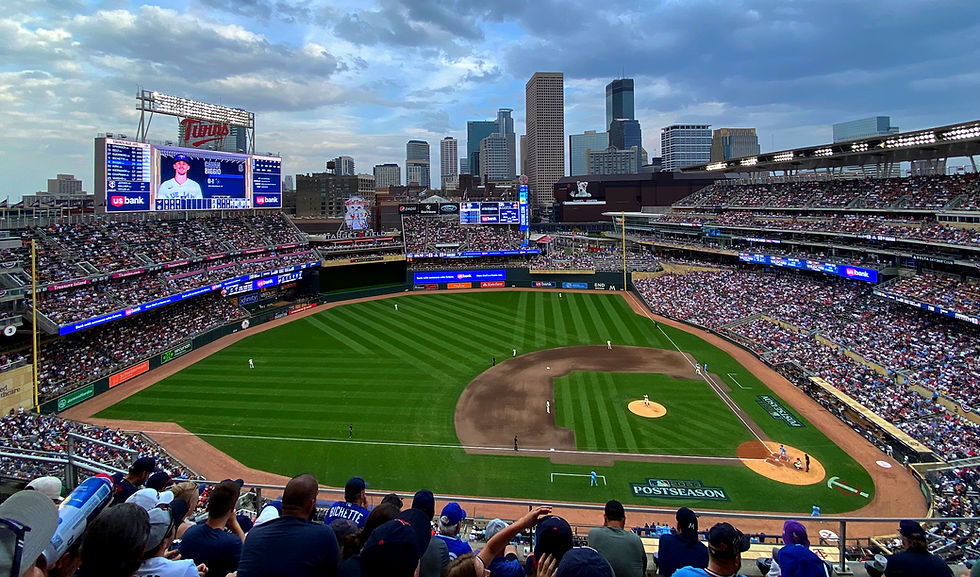
Target Field’s open concourse design and overhang seating style make each fan feel close to the game and involved in the on-field action. The stadium’s recent facelift brought in an enormous new scoreboard, updated videoboard tower, and an animatronic Minnie and Paul sculpture in center field that depicts them shaking hands over the Mississippi River in between innings and after victories. If you sit along the third base line, you’ll get a great view of the Minneapolis skyline, which is one of the most underrated in the nation, in my opinion. Is this the most exciting or unique stadium in baseball? Not by any means, but it is a well-designed and enjoyable spot to watch a game when the weather cooperates (which is always the biggest question mark in Minnesota).
#13: T-Mobile Park – Seattle Mariners
Great food, unique concourse art, and a retractable roof keep the oft-gloomy Seattle skies from hindering Mariners’ fans day at the ballpark. A top-tier location helps this stadium’s ranking: it’s right near the water, a few blocks from Seattle's vibrant international district, and just over a mile from the world-famous Pike Place Market. Another upside is that the M’s aren’t shy with their fireworks usage following long balls and wins. The downside is that statistically, T-Mobile Park is the most challenging venue for hitters to be successful in, which can make for lower-scoring, less exciting offensive games.

#14: Nationals Park – Washington Nationals
The best part of Nationals Park is actually the area surrounding it. The young and energy-filled Navy Yard neighborhood has hip restaurants with a beautiful riverwalk that brings you past retired ships and submarines; it’s definitely worth meandering around before or after a game. Inside the stadium, the Racing Presidents event is always a good laugh, and the outfield concourse’s open design makes hanging out with friends easy. The Nats also have a fittingly unique home run celebration, with a submarine horn blaring every time the home squad hits one out. The stadium’s exterior aesthetic (or striking lack thereof) is its biggest downfall.

#15: American Family Field – Milwaukee Brewers
The Brewers’ home field often isn’t particularly well-received because of its sterile feel and quiet atmosphere, but I suggest digging a little deeper. The gameday experience starts with a great parking lot tailgating scene, which is quickly becoming a baseball pastime as ballparks become more city-centric. It boasts foods perfected in Wisconsin, with a nice selection of brats, cheese curds, and beers. Bernie’s Chalet/Slide and the Sausage Race cater more towards kids but are fun sights for all ages, and the consistently reasonable ticket prices will please adults. Unfortunately, despite recently updating the centerfield scoreboard to make it one of the most impressive in baseball, this massive, cavernous ballpark is in need of some major renovations and modernization.

#16: Citi Field – New York Mets
Citi Field does a lot of the little things right that improve the ballpark experience. The stadium has a clean exterior look and offers a piece of Mets history before you even get into the ballpark with the home run apple from Shea Stadium on display in the parking lot. Inside the main rotunda is the entrance to the Mets’ team Hall of Fame and museum, and the history continues throughout the concourse with the Shea Bridge in right field and the old light-up scoreboard topper from Shea Stadium mounted above an in-stadium Shake Shack. There is a solid kids’ play zone with batting cages and a wiffle ball field, and plenty of outfield scoreboard space for in-game statistics and between-inning entertainment. The biggest issue that I had with Citi Field was its location. Walking to and from the stadium for a night game didn’t feel particularly safe, and it’s a decent subway ride away from the other tourist destinations in NYC. It also lacked some of the flair of other ballparks, with a noticeable lack of pyrotechnics and underwhelming home run and win celebrations.

#17: Oriole Park at Camden Yards – Baltimore Orioles
If you’re going to explore anywhere at OPACY, it has to be Eutaw Street. I recommend hitting up Boog’s BBQ and looking at the commemorative plaques on the pavement and side of the converted warehouse building that the Orioles place every time a home run is hit far enough to reach the plaza. You’ll see the names of baseball legends; I was most excited to find Ken Griffey Jr.’s plaque from his legendary home run derby performance in 1993. The stadium’s concourse is pretty bare bones, but the organization did a nice job decorating it with various logos, banners and patches that tell the story of the franchise’s past. You can also put a fun twist on all sorts of classic baseball foods by getting them topped off with Baltimore’s Old Bay Seafood Seasoning. Unfortunately, the Orioles haven’t had many competitive years in the consistently tough AL East; many games see the majority of the seats remain empty, leading to a quiet atmosphere which is only exacerbated by the team’s limited fan engagement and gameday tradition efforts. (Side note: Baseball history lovers will also enjoy taking a tour of Babe Ruth’s old house, which isn’t far from the stadium and has been converted into a museum honoring his career and life.)

#18: Dodger Stadium – Los Angeles Dodgers
The positives: Dodger Stadium has some fun concourse sights, including an incredible bobblehead collection and plaques honoring the incredible list of Dodger greats beyond the center field wall. Built on Chavez Ravine, upper deck seats offer pretty views, and you may be able to catch a glimpse of a Hollywood movie star sitting in the front row. Most importantly, the Dodgers consistently have one of baseball’s best rosters and put a great product out on the field. The negatives: the MLB’s largest stadium is pretty bland in the grand scheme of this list. Dodger Stadium’s most well-known food option is a jazzed-up hotdog, the walkways are showing their age, and there isn’t anything particularly unique about the in-game production. Dodgers’ tickets are among, if not the, most expensive in the MLB, the parking lots takes forever to get out of, and many fans don’t arrive until the third inning or later.

#19: Rate Field – Chicago White Sox
While the stadium as a whole isn’t super imaginative, Rate Field has all the components of a solid ballpark: clear sightlines, quality food and drink, and a sweet kids zone. Furthermore, the center field videoboard is huge and very clear, and the pinwheels rising from the top of it are a fun feature unique to the South Side. The team’s pyrotechnicians also aren’t shy about their fireworks usage, which is always a plus in my book. The team’s general poor performance since their most recent championship in 2005 has helped sink ticket prices and make a family day at the ballpark affordable, which is made even better by the fact that the White Sox offer some of the best at-the-gate giveaways in baseball. Unfortunately, Rate Field is in an area of Chicago that has historically struggled with crime and violence, making taking public transit there undesirable and spending time around the ballpark before and after a game uncommon.

#20: Yankee Stadium – New York Yankees
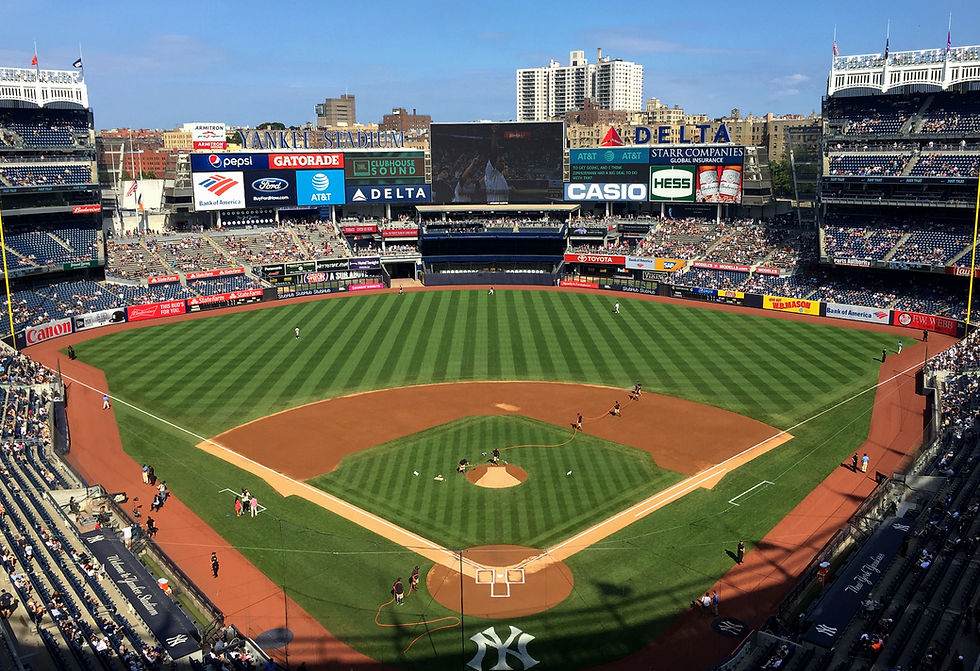
Similar to the Dodgers, the Yankees almost always have a handful of baseball’s best players on their payroll. The team has a brash but passionate fanbase with unique gameday traditions, including the Bleacher Creature’s “roll call” and a fantastic selection of New York-derived in-game music. The stadium dives into the history of baseball’s most storied franchise with Monument Park in center field and has features that hearken back to old Yankee Stadium, such as the white frieze that rings around the top of the stadium’s bowl. Disappointingly, Yankee Stadium has a small scoreboard, minimal between-inning fan engagement, and an overwhelming amount of advertising across the venue. However, the biggest downsides are the classically expensive New York prices and a surrounding neighborhood that offers much to be desired.
#21: Angel Stadium – Los Angeles Angels
Angel Stadium has a lot of really cool individual features, but its lack of overall identity and atmosphere hurt its ranking. The world’s biggest baseball caps (size 649 ½) and giant bats at the home plate entrance are awesome, and the rocky California Spectacular in the outfield shoots flames and fireworks in the shape of an A during player introductions and after home runs. You can also see the 230-foot tall (and aptly named) “Big A” sign in the parking lot from the early Angel Stadium days. The concourses have cool memorabilia, both old and modern, from over the years, but they are fairly cramped and dark. The scoreboards are large and clear with Gen Z graphics designed to make you laugh (these are very hit or miss). Unfortunately, this stadium rarely fills up and typically hosts low-energy attendees. It also has one of the worst backdrops in baseball, with the only notable feature being the not-very-aesthetically-pleasing Honda Center (the Anaheim Ducks home arena). With little to do nearby in terms of a pre- or post-game social scene, Angel Stadium falls toward the bottom of this list.

#22: Great American Ball Park – Cincinnati Reds
The area outside of GABP is an active one – you can walk along the river, grab a drink or bite at modern, open-style restaurants, hear live music, or learn important history at the National Underground Railroad Freedom Center. There are also well-crafted statues honoring Reds greats, and the best team-specific museum/hall of fame that I’ve seen attached to the stadium. Unfortunately, the inside of the Reds’ home is quite underwhelming. The smokestacks in right field that shoot fireworks and flames are lackluster in the era of modern pyrotechnics, and the structure in center field that resembles a riverboat is a crafty way to honor local history but can’t be accessed without a special ticket. The food options aren’t spectacular, but the Skyline Chili kiosk (and a stop at Graeter’s Ice Cream just down the street) are redeeming. Critically, I had two major qualms with my GABP experience: first, the content displayed on the videoboards was hard to make out in the bright sunlight during the day game I attended, and second, this stadium had an overwhelming amount of advertising. It felt like everywhere I looked something was being promoted, and while all baseball stadiums have loads of sponsorships, GABP and Yankee Stadium were the only ones where I noticed it to the point that it was distracting and unpleasant.

#23: Oakland-Alameda County Coliseum – Oakland Athletics
While I feel terrible for Oakland fans that they lost their last remaining professional team, it’s a good thing that the Coliseum is no longer. The walk from the nearby BART station was a sketchy one, featuring a large homeless camp, exposed needles, and copious amounts of litter. All the seats along the infield foul lines were far from the action, as the donut-shaped venue once also squeezed in the Raiders’ NFL field. The inside of the stadium had exposed wires, rusted seats, and stained concrete throughout. To put it frankly, the venue was in shambles, and the A’s needed a new home many years prior to their departure. That being said, there were a few bright spots: certain parts of the concourse honored A’s legends from the team’s heyday and showed still shots from the 10/10 movie “Moneyball,” which was fun to see. The broadcasters threw plush baseballs from their booth to the smattering of fans in attendance during a break between innings, which I haven’t encountered anywhere else. Despite these minor positives, it was not exactly a struggle putting the Coliseum dead last in my ballpark rankings; I’m looking forward to seeing how their permanent home in Las Vegas turns out.

Still To See…
I haven’t yet made it to the following parks, but plans are in the works to get there soon!
Chase Field – Arizona Diamondbacks
Daikin Park – Houston Astros
Globe Life Field – Texas Rangers
loanDepot Park – Miami Marlins
Progressive Field – Cleveland Guardians
Tropicana Field – Tampa Bay Rays
Truist Park – Atlanta Braves


Comments