
I Visited 24 European Nations At 24 Years Old. These Are The 5 Most Underrated.

Mass tourism has engulfed traditional European travel destinations such as Spain, France, Italy, and Greece. As a result, many travelers are searching for more niche places to visit around the continent that pack an equally impactful punch, but without requiring waits in hours-long lines or paying outrageously jacked-up prices in oversaturated accommodation markets. I’ve been fortunate to explore 24 European countries, many of which are not traditional tourist destinations – and I’ve had the time of my life doing so. Here is my list of the five most underrated countries in Europe that should make their way onto your itineraries.
Honorable Mention: San Marino
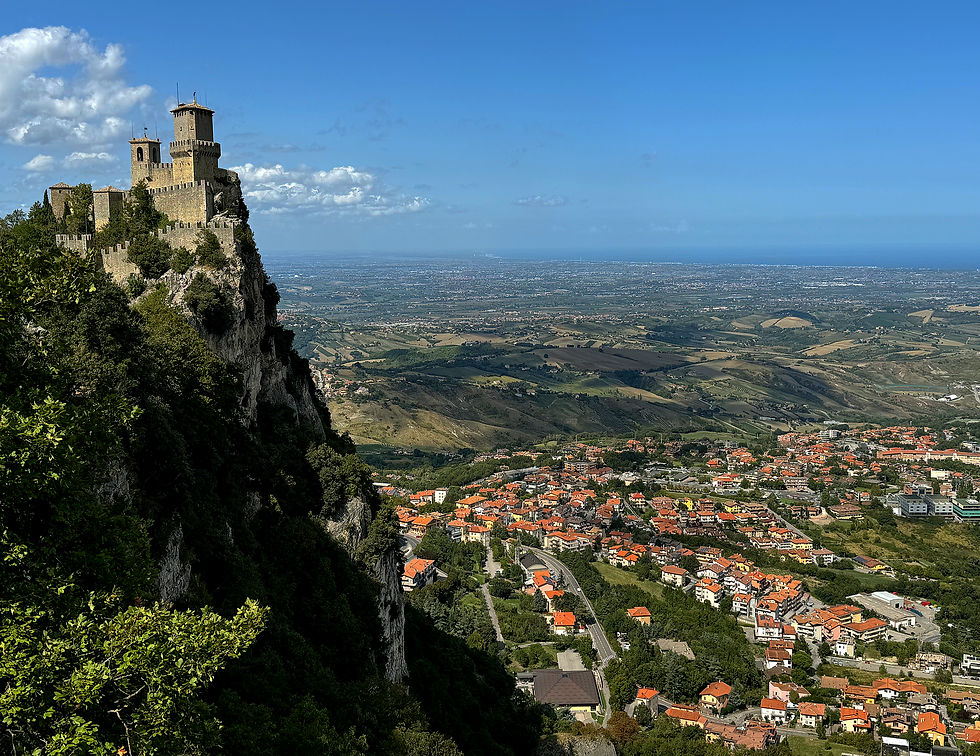
As a microstate that you can comprehensively experience in one day, it didn’t feel right putting San Marino on my top-five list, but I also didn’t want to omit it entirely. Landlocked within Italy, this little country is only a two hour journey from Florence and right next to the quaint beach town of Rimini. Despite being the world’s fifth-smallest country, San Marino exceeds expectations in beauty, peacefulness, and safety. Surrounded by the Apennine Mountains and best recognized by its three soaring towers, great views abound in San Marino, and walking around the exceptionally clean and calm capital city is a pleasure. A very rich country relative to its size, San Marino leans heavily into hospitality, featuring great shopping and quality restaurants throughout its most heavily visited areas. With kind residents and a relaxed atmosphere, San Marino largely remains a hidden gem in Europe.
#5: Romania
Insanely cheap prices, delicious local cuisine, phenomenal hiking, and the kindness of so many strangers made including Romania on this list an easy choice. As a young budget traveler, Romania’s remarkably low costs for things like accommodation, transportation, and food allowed me to stretch my money further than just about anywhere else I’ve been in Europe. That’s key when you’re constantly surrounded by the country’s delicious traditional dishes, like sarmale, mititei, and tocăniță with a side of mămăligă. Destination-wise, my favorite spot in Romania was Braşov; the small city serves as a gateway to Transylvania and seems like a wonderful place to raise a family. It’s also close to Piatra Craiului National Park, which offers jaw-dropping mountain views from tough but rewarding trails, as well as the beautiful Peleş Castle in Sinaia. (Side note: Bran Castle, better known as Dracula’s Castle, is also nearby but felt like a complete tourist trap. Despite having less name recognition, Peleş Castle is much more worthy of a visit, in my opinion.) Bucharest, Romania’s capital and largest city, features unique architecture like the Palace of Parliament, which is one of the largest buildings on Earth, and many meaningful monuments and statues tied to the country’s turbulent but interesting history. Most memorably, though, the people I met in Romania were exceptionally hospitable. From my Airbnb host, who took the time to share her experience growing up in Communist Bucharest, to the incredibly welcoming hostel owners in Braşov, to the local couple who brought me to and guided me through Piatra Craiului on a whim, I felt so welcomed during my time in Romania.

#4: Poland
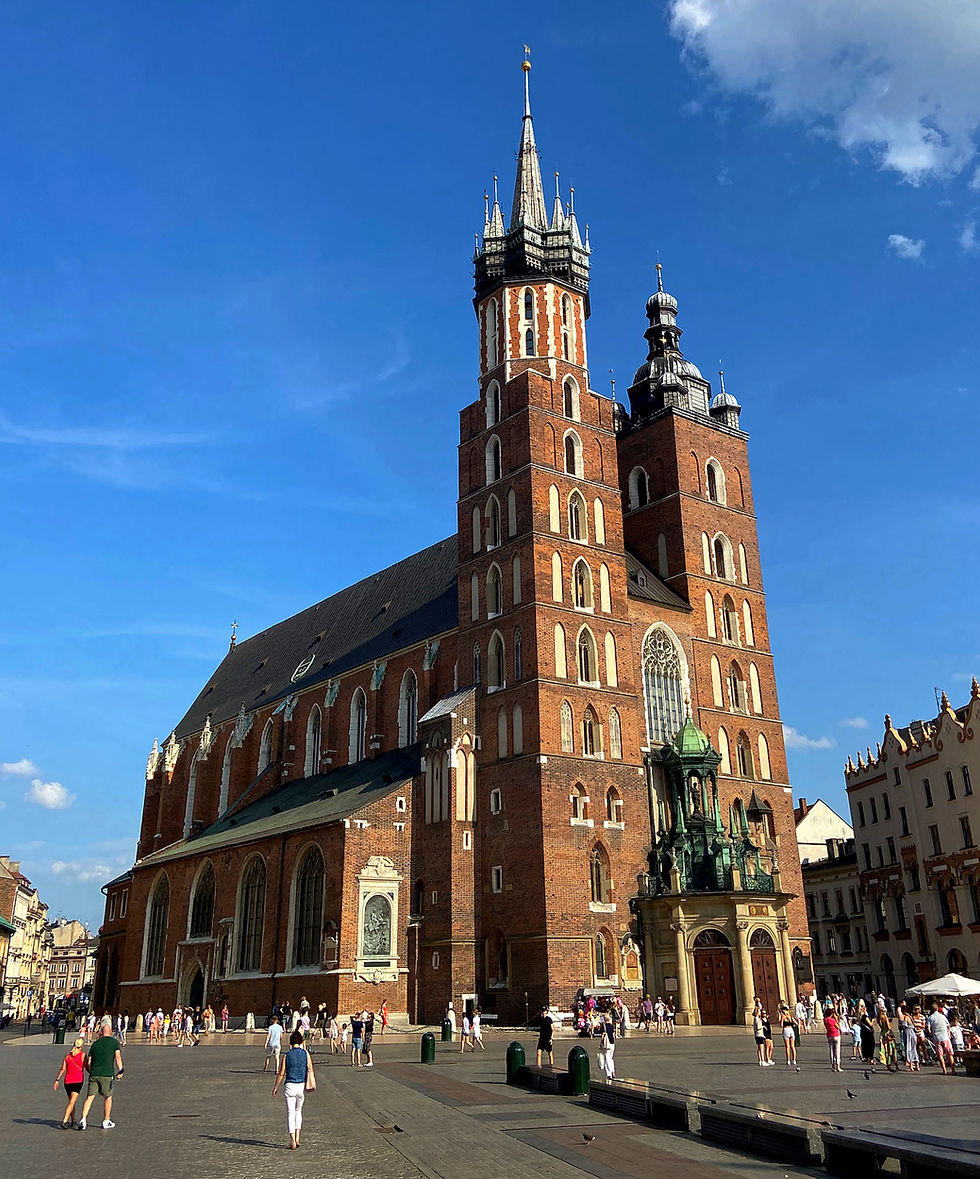
Poland is quietly becoming an increasingly popular tourist destination, but it still isn’t on most people’s radars during their first or even second tours of Europe. Kraków is the country’s most visited city, and it’s a place I’d love to go back to. Spending time in the massive Market Square, exploring the grounds of Wawel Castle, and trying E. Wedel chocolate are absolute #86C6E5must-dos. Kraków also boasts great nightlife, with a myriad of buzzing bars and clubs scattered throughout the historic Old Town. The city is also important for World War II and Holocaust history – the former Jewish Ghetto and Oskar Schindler’s factory are both worth seeing and learning about, and Kraków serves as a common starting point for many daily guided tours of the Auschwitz-Birkenau Memorial and Museum. Aside from Kraków, Poland boasts many other great destinations; visitors are sure to love wandering among Wrocław’s many bridges and colorful buildings, learning at Warsaw’s museums, or hiking through the Tatra Mountains in the country’s south. As a nation, Poland is rapidly maturing in terms of infrastructure and economic power, but it maintains reasonable prices thanks to its non-euro currency, the złoty. This means that even the most budget-conscious travelers will be able to enjoy plenty of Poland’s best-known food and drink: pierogi and vodka!
#3: Sweden
Among the Nordic nations, Sweden gets overlooked in a number of categories: Finland is considered the happiest, Denmark is thought of as the most sustainable and innovative, and Norway and Iceland battle for the title of “best nature”. However, Sweden is a personal favorite of mine, as it perfectly blends rich history with accessible nature and extremely high quality of life. Its capital, Stockholm, is absolutely gorgeous, with pastel-colored buildings lining canals that are clean enough to swim in. Composed of 14 islands, Stockholm serves as a gateway to an archipelago of 30,000 islands, many of which provide locals with an easy northwoods getaway during Sweden’s beautiful summers, under a sky that never fully darkens. Also, while none of the Nordic countries are known for having a rich cuisine culture like Spain or Italy, I found Sweden’s classic meatball and potato dishes, alongside a wide variety of traditional sweet pastries (special shoutout to my personal favorite, Princess Cake/Prinsesstårta), to be very homey and easy to enjoy. Furthermore, while Swedes are stereotypically seen as cold and reserved, I found many to be extremely welcoming and talkative as long as I initiated the conversation. From its Viking artifacts to its fervent passion for hockey and soccer to its legendary music culture, Sweden remains one of my favorite places on Earth.

#2: Montenegro
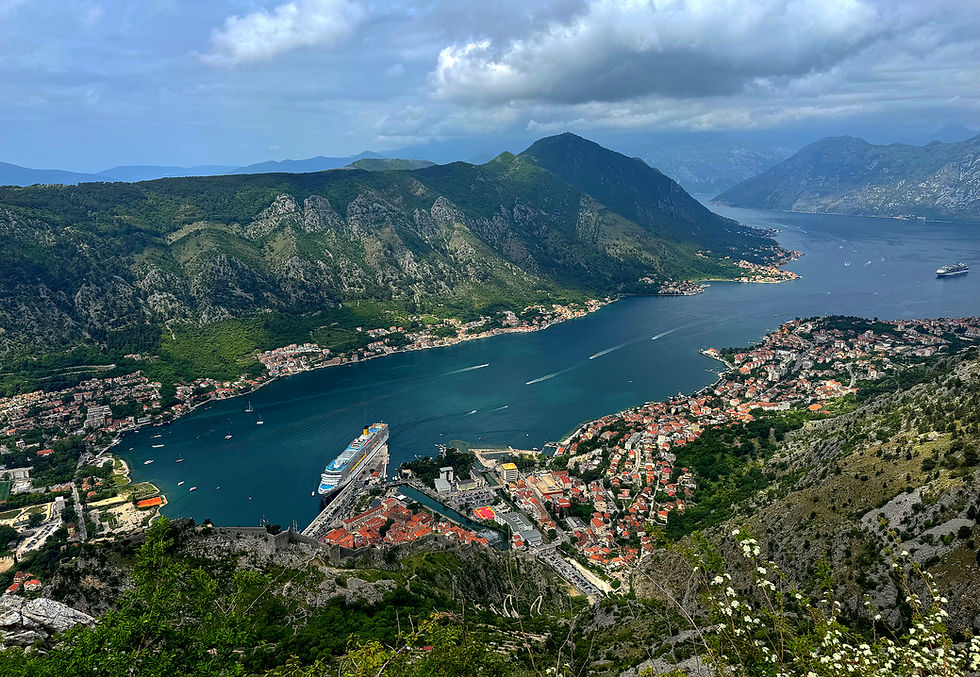
Montenegro is one of the world’s “newest” countries, having regained its independence in 2006, and is among the three smallest non-microstate European nations. Despite its relative infancy and small stature, traveling here was an absolute joy. Kotor and the surrounding bayside towns are the most commonly visited locations in the nation, and they are simply gorgeous; terra-cotta-roofed homes line waterfront walkways that offer unforgettable views of the mountains rising all around you, with dolphins playing in the water and boaters cruising across its glassy surface. I found the grilled-meat-heavy cuisine there to be delicious (although not substantially different from that of other Balkan nations) and the locals to be talkative and friendly. Montenegro felt safe, calm, and largely undiscovered by the hordes of tourists who flock to other European coastal nations like Croatia, Greece, and Italy; outside of the daytime cruise passengers stopping over, I only met very experienced travelers during my time there. History buffs will be fascinated by the country’s historic churches, monasteries, and abandoned war bunkers and tunnels, some of which are still explorable. Ultimately, without a major notable city, nature emerges as Montenegro’s shining star: beach lovers will thrive on the rocky shores of Budva, Bar, and Ulcinj, while mountaineers will be wowed by the high-alpine views at sites like Durmitor and Lovćen National Parks.
#1: Slovenia
Slovenia is a small country that is often overlooked because it’s surrounded by big-time names in European tourism: Italy, Croatia, Austria, and Hungary. It doesn't have household-name cities, renowned nightlife, or internationally revered museums like these other places do. It consistently ranks near the bottom quarter of European Union nations visited, even by Europeans themselves. So why, then, does it occupy the top spot on my list of most underrated European countries? Simple: Slovenia’s drop-dead-gorgeous natural features beautifully intertwine with a feeling of tranquil living that invites you to become fully immersed in the country’s peaceful atmosphere. Slovenia’s northwest corner is largely encompassed by Triglav National Park, which has mountains that rival the Swiss Alps in beauty, as well as strikingly blue lakes and rivers (I highly recommend seeing Vintgar Gorge when you visit!). Nearby sits Lake Bled, whose surface often remains so calm that the island church in the center reflects as clearly as a mirror on sunny days. In the south, the massive Postojna Cave system displays millennia-old stalagmites and stalactites and is home to animals with remarkable environmental adaptations, like the olm. In the middle of all this sits the capital, Ljubljana. The “City of Dragons” offers unique glimpses into Slovenia’s Communist past while providing visitors with delicious local food and drink, none better than that found at the weekly summer farmers’ market, where locals gather and enjoy each other’s company. Although it often doesn’t make it onto people’s European travel itineraries, Slovenia should never be overlooked.


Comments